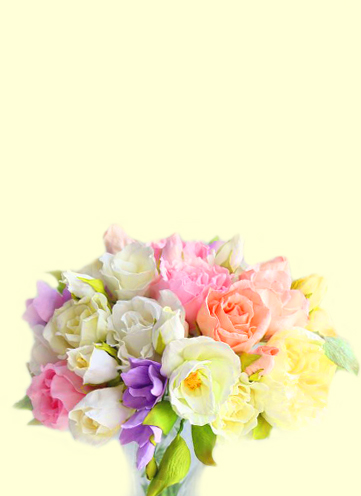
Wedding flowers case study Goldsmiths client before and after
Posted on 12/10/2026
Wedding flowers case study Goldsmiths client before and after: a practical look at the transformation
If you are searching for a Wedding flowers case study Goldsmiths client before and after, you are probably trying to answer a few very real questions: what changed, what worked, and how do you judge whether the floral design was actually worth it? Fair enough. Wedding flowers can look effortless in the final photos, but behind the scenes there is usually a careful balance of budget, timing, colour, stem choice, and logistics. This article breaks down the kind of before-and-after thinking that helps couples, planners, and families understand a wedding floral transformation properly, without the fluff.
In practice, a good case study does more than show pretty pictures. It explains why certain flowers were chosen, how the style developed from the first brief, and what the finished result felt like on the day. That is the useful bit. And if you are planning your own wedding flowers, or simply trying to compare options, the detail matters a lot more than people often think.
Table of Contents
- Why this wedding flowers case study matters
- How the before-and-after process works
- Key benefits and practical advantages
- Who this is for and when it makes sense
- Step-by-step guidance
- Expert tips for better results
- Common mistakes to avoid
- Tools, resources and recommendations
- Law, compliance, standards, or best practice
- Options, methods, or comparison table
- Case study or real-world example
- Practical checklist
- Conclusion
- Frequently asked questions
Why Wedding flowers case study Goldsmiths client before and after Matters
A wedding flower case study is useful because it turns a visual result into a decision-making tool. Anyone can say a bouquet looked beautiful. The real question is whether the flowers suited the venue, the dress, the season, the table layout, and the mood of the day. That is where the before-and-after format earns its keep.
For Goldsmiths clients, or anyone planning a celebration in South East London, there is also a practical local angle. Weddings in this part of London often involve compact venues, travel between ceremony and reception spaces, and a mix of older architecture and modern interiors. Flowers have to work in that setting. They need to look elegant in daylight, survive a bit of movement, and still feel fresh by the time guests sit down for dinner.
Before and after content is also reassuring. It shows the starting point clearly, then shows what changed. Maybe the initial plan was too busy. Maybe the colour palette needed calming down. Maybe the bridal bouquet was revised to suit the dress neckline better. You can see the thinking, not just the finish. And honestly, that makes the whole thing feel more trustworthy.
Key takeaway: the best wedding flower case studies do not just show transformation; they explain the decisions that made the transformation work.
How Wedding flowers case study Goldsmiths client before and after Works
The structure is usually simple, though the planning behind it is not. A florist starts with the client brief, then compares that brief against the venue, budget, seasonality, and practical delivery requirements. From there, the design is refined until the flowers feel right. On the day, the finished arrangements are set up, checked, and adjusted if needed.
A strong before-and-after story usually follows this pattern:
- Initial consultation: the client shares preferences, colours, inspirations, must-have flowers, and any restrictions.
- Style review: the florist assesses the venue, the dress, the table layout, and the scale of the event.
- Design proposal: a floral direction is chosen, including bouquet shape, ceremony flowers, buttonholes, and reception arrangements.
- Preparation: stems are conditioned, containers prepared, and any special mechanics or support structures arranged.
- Delivery and set-up: arrangements are transported carefully and placed in the correct positions at the right time.
- Final reveal: the before becomes the after, and the full visual impact comes together.
The important bit is that the "after" is rarely random. It is usually the result of a series of small adjustments. To be fair, that is what good floristry is: a lot of quiet decisions made before the room ever sees a bloom.
One thing people often miss is how much the floral design changes depending on the light. Morning ceremony in a bright room? Pale blooms can look soft and airy. Evening reception under warmer light? Richer tones, such as deep reds, burgundy, or mixed berry shades, can feel far more grounded. Tiny detail, big difference.
Key Benefits and Practical Advantages
There are several reasons couples and families find before-and-after wedding flower examples so useful. Some are emotional, some are practical, and some are financial. The best plans usually cover all three.
- Clearer expectations: you can see the style direction before committing.
- Better budgeting: it becomes easier to spot where value is being added and where costs may be creeping up.
- Stronger styling: a coherent look is easier to achieve when the whole visual story is considered.
- Reduced risk: if the initial concept feels too ambitious, it can be scaled back before the flowers are ordered.
- Improved venue fit: arrangements can be adapted to suit the size and shape of the space.
- More confident decision-making: couples can approve a design with less second-guessing.
There is also the emotional side. Wedding flowers are one of those details that guests notice almost immediately, even if they do not consciously analyse them. A thoughtfully changed bouquet or table arrangement can make the whole event feel calmer, more polished, and more personal. You know it when you see it. The room just breathes differently.
For a lot of couples, the practical advantage is simply peace of mind. If the florist can show how a design moved from basic to beautifully finished, the client is not relying on imagination alone. That helps, especially when there are already a hundred other wedding decisions competing for attention.
Who This Is For and When It Makes Sense
This type of case study is helpful for several kinds of readers. It is not only for couples planning a luxury wedding. In fact, some of the most useful insights come from modest, well-planned events where every stem needs to work hard.
This is especially relevant if you are:
- planning a wedding and trying to decide on a floral style
- comparing bouquet shapes, table designs, or ceremony flowers
- working with a venue that has limited space or a strong visual theme
- trying to stay within budget without losing the "wow" factor
- deciding whether to reuse flowers across the ceremony and reception
- looking for inspiration for bridal bouquets, bridesmaid bouquets, buttonholes, or centrepieces
It also makes sense when you want to judge a florist by more than the website gallery. Let's face it, every florist can show you their best work. A before-and-after explanation shows how they think, how they problem-solve, and whether they can adapt when something needs changing.
If you are browsing wedding-specific floral options, it can be helpful to look at the broader range too, such as wedding collections, bridal bouquets, and table arrangements to get a feel for different styles and scales.
Step-by-Step Guidance
Below is a practical way to think through a wedding flower transformation, whether you are the client or the person helping to plan it.
1. Start with the real starting point
Be honest about the raw brief. Is the look too plain? Too crowded? Too traditional? Too modern? You need a clear baseline before any meaningful "after" can be judged.
2. Clarify the wedding mood
Is the day meant to feel romantic, elegant, relaxed, dramatic, seasonal, or natural? This sounds obvious, but it is one of the most overlooked steps. Flowers should support the mood, not fight it.
3. Match flowers to the venue
A large church, a small register office, and a restaurant reception all call for different floral decisions. A tall arrangement that looks brilliant in a spacious room can feel awkward in a tighter setting. Scale matters. A lot.
4. Choose flowers that suit the season
Seasonal flowers often look more natural and can be easier to source in good condition. That does not mean every flower must be seasonal, but it does mean the design should be realistic. If a requested flower is delicate or scarce, a good florist will suggest a visual alternative that still delivers the same feel.
5. Build the design around the hero pieces
Usually the bouquet, ceremony focal point, and main table arrangements do most of the visual work. Smaller items like buttonholes, corsages, and place-setting accents should support the overall look rather than compete with it.
6. Review the "before" honestly
Sometimes the first version is fine, but not memorable. Sometimes it is lovely but too busy. This is the stage to strip out anything unnecessary. Oddly enough, the strongest results often come from removing things rather than adding more.
7. Lock in logistics
Delivery timings, transport protection, storage conditions, and set-up order all matter. Flowers are sensitive. Heat, cold, and delayed handovers can all affect the final appearance, especially later in the day.
8. Compare the final reveal against the brief
Once everything is in place, step back and ask: does it feel like the same idea, only better? That is usually the best sign that the before-and-after transformation worked.
Expert Tips for Better Results
Here are the bits that tend to make a real difference, based on practical wedding floristry rather than theory.
- Keep one clear focal colour: a strong base colour helps the whole scheme feel intentional.
- Use texture, not just colour: roses, lisianthus, orchids, and greenery each add a different visual texture.
- Repeat key flowers carefully: repeating the same bloom across bouquet, table, and buttonhole creates unity.
- Plan for photographs: what looks delicate in person can disappear in a camera shot if the contrast is too low.
- Ask about stem conditioning: freshly prepared flowers generally hold themselves better on the day.
- Think about guest movement: table flowers should not block faces or conversation. A common mistake, that one.
Another practical tip: if the bouquet is the centrepiece of the whole floral story, make sure it suits the person holding it. Size, weight, and handle finish all matter. A bouquet can be beautiful and still be awkward to carry. Nobody wants that.
One small but valuable habit is to ask for a photo reference of the "before" stage and the final "after" in similar lighting. It is a simple way to judge whether the transformation is genuinely better, or just more heavily dressed up.
If you are exploring design inspiration, the site's white wedding collection and romantic wedding collection are useful starting points for comparing softer styles against more layered or colourful looks.
Common Mistakes to Avoid
Wedding flowers are easy to overcomplicate. In real projects, the mistakes are usually quite familiar.
- Choosing too many focal points: if everything is competing for attention, nothing stands out.
- Ignoring the venue colours: strong walls, dark furniture, or patterned interiors can clash with a delicate palette.
- Over-ordering for the sake of it: more flowers do not automatically mean better design.
- Not checking dimensions: table arrangements that are too large can block sightlines or crowd the dining setup.
- Forgetting transport conditions: flowers need care in transit, especially on warmer days.
- Leaving the bouquet too late in the decision process: the bridal bouquet often sets the tone for everything else.
- Assuming one sample photo tells the full story: context matters. Always ask what changed and why.
A lot of disappointment comes from a mismatch between expectation and reality. The safest way around that is to be very clear about what you want the flowers to do. Should they feel airy? Formal? Bold? Low and intimate? Once that is settled, the rest gets easier.
And if something feels off in the planning stage, say so early. It is much easier to adjust a sketch than to rework a finished order five minutes before guests arrive. Speaking from experience, that is not the fun part.
Tools, Resources and Recommendations
You do not need a complicated toolkit to plan wedding flowers well, but a few practical resources help a lot.
- Colour references: fabric swatches, dress photos, invitation artwork, and venue images.
- Size references: table measurements, chair styles, bouquet inspiration images, and aisle dimensions.
- Timing notes: ceremony time, delivery windows, and setup access arrangements.
- Flower preference list: must-have blooms, flowers to avoid, and any scent sensitivities.
- Backup ideas: if a flower is unavailable, know what the nearest visual alternative would be.
For product-style browsing, it can help to compare bouquet formats and arrangements side by side. For example, a bride who wants a soft rounded look might prefer a style from the bridal bouquet range, while a couple planning their full floral story might review the Perfect Match wedding collection for a coordinated set of pieces.
Useful supporting pages such as delivery information, flower care advice, and guarantees can also help you understand how the service works in practical terms. No one wants surprises on a wedding day. Not the good kind, anyway.
Law, Compliance, Standards, or Best Practice
Wedding floristry is not usually heavy on regulation in the way food or transport can be, but there are still sensible standards to keep in mind. The most important ones are practical, not dramatic.
Good practice includes:
- clear written agreement on what is being supplied
- accurate delivery and setup details
- careful handling of fresh flowers and any water-based containers
- transparent communication if substitutions are needed
- respect for venue access rules and time restrictions
From a customer point of view, it is wise to read the business terms, privacy information, returns policy, and payment details before confirming an order. That is simply sensible for any wedding purchase. The pages on terms and conditions, returns and refund, privacy policy, and payment give you the practical framework for how the purchase is handled.
There is also a broader ethical side. If sustainability matters to you, it is worth checking how materials are sourced and how waste is reduced. The sustainability page is useful for understanding that angle. And if you want to know more about the business behind the service, the about us page helps build a clearer picture of who is handling the order.
Options, Methods, or Comparison Table
When people talk about wedding flowers, they often compare styles without noticing the practical trade-offs. This table makes that easier.
| Approach | Best for | Strengths | Watch-outs |
|---|---|---|---|
| Minimal design | Small venues, modern ceremonies, budget-conscious couples | Clean, elegant, less visual clutter | Can feel underdressed if the venue is large |
| Classic romantic style | Traditional weddings, soft palettes, formal settings | Timeless, flattering in photos, widely versatile | May need careful colour balancing to avoid looking generic |
| Seasonal mixed design | Couples who want texture and movement | Natural feel, rich detail, strong visual depth | Needs disciplined editing to avoid looking messy |
| Luxury layered design | Statement weddings, larger budgets, high-impact styling | Memorable, polished, immersive | Can become expensive quickly if not managed well |
In real life, the best option is often not the biggest one. It is the one that suits the venue and the people. There is a difference. A big arrangement in the wrong room can look a bit lost, while a modest arrangement in the right place can feel quietly brilliant.
Case Study or Real-World Example
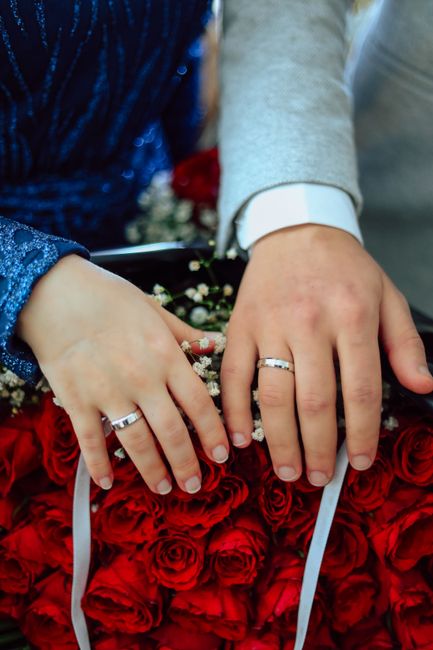
This case study reflects a typical wedding flowers transformation for a Goldsmiths client in New Cross. It is presented as a practical example of the before-and-after process rather than a claim about a specific named event.
Before: the initial brief was simple and slightly unfocused. The client wanted "elegant but not fussy," with a preference for soft tones and a clean look. The first concept was workable, but it lacked a strong visual anchor. The bouquet felt a little too light, and the table flowers did not quite connect with the dress and venue.
What changed: the design was refined by introducing a clearer colour balance, better texture, and a more coherent mix of blooms across the bouquet, buttonholes, and table pieces. More emphasis was placed on shape and repetition, so the eye moved naturally from one floral element to the next. The bouquet gained presence without becoming heavy. The table arrangements were brought down slightly in height, which improved conversation and made the room feel calmer.
After: the final result looked more considered, more polished, and more in tune with the setting. The flowers did not shout. They simply belonged there. That is usually the sign of good wedding floristry. Guests may not know exactly why it feels right, but they notice that it does.
A small but important detail in the transformation was the handling of transition pieces, especially the buttonholes and smaller table accents. Those pieces are easy to underplay, but they are what make the whole design feel connected. Without them, the wedding flowers can look like separate parts. With them, the look becomes one complete story.
If you are planning something similar, a good place to start is by comparing the individual wedding products that feed into the final look, such as buttonholes, bridesmaid bouquets, and the broader wedding range. It sounds simple, but seeing the pieces together helps you spot imbalance much earlier.
Practical Checklist
Use this checklist if you are planning a wedding flower transformation and want to avoid the usual last-minute chaos.
- Confirm the wedding date, ceremony time, and delivery window.
- Measure tables, aisles, entrance spaces, and any plinths or stands.
- Choose a colour palette that works with the venue and outfits.
- List your must-have flowers and your non-negotiables.
- Decide which pieces need to be reused from ceremony to reception.
- Check whether the venue has access restrictions or setup timing limits.
- Ask how substitutions are handled if a flower is unavailable.
- Review the bouquet size and comfort in hand, not just in photos.
- Confirm where the arrangements will be placed and by whom.
- Keep final contact details and the delivery plan handy on the week of the wedding.
That final point is boring, yes. But boring is good when the flowers are supposed to arrive on time.
Conclusion
A strong Wedding flowers case study Goldsmiths client before and after is valuable because it shows how a floral idea becomes a finished experience. Not in a vague, glossy way, but in a way that helps you understand the decisions, the practical trade-offs, and the little refinements that create the final impact.
If you are choosing wedding flowers yourself, remember this: the best results usually come from clarity, not excess. A well-planned bouquet, a sensible colour palette, and arrangements that suit the venue will almost always feel better than a design that tries to do everything at once. Simple, but true.
Get a free quote today and see how much you can save.
And if you are still weighing up your options, that is completely normal. Good wedding flowers should feel like a relief when you see them, not another thing to worry about. When they are right, you know it straight away.
Frequently Asked Questions
What does a wedding flowers case study actually show?
It usually shows the starting brief, the design changes, and the finished floral result. A good case study explains why the flowers changed, not just what the final arrangements looked like.
Why is the before-and-after format useful for wedding flowers?
It helps you understand the florist's decision-making. You can see how the design improved in shape, balance, colour, and fit for the venue, which makes it easier to judge quality.
How do I know if my wedding flowers need to be redesigned?
If the flowers feel too busy, too small, mismatched with the venue, or disconnected from the dress and colour scheme, a redesign may help. The aim is coherence, not just volume.
Can wedding flowers be changed after the first idea is planned?
Yes, absolutely. In fact, most wedding flower plans evolve during the consultation stage. That is normal. It is better to adjust early than regret it later.
What flowers work well for a Goldsmiths client or New Cross wedding?
It depends on the style of the day and the venue, but versatile blooms such as roses, lisianthus, orchids, hydrangeas, and mixed seasonal flowers often work well in a range of settings.
How far in advance should I plan wedding flowers?
As early as you reasonably can. The sooner you start, the easier it is to secure your preferred style, discuss alternatives, and fit the flowers around the rest of the wedding plan.
Are wedding flowers expensive compared with other wedding details?
They can be, depending on scale and flower choice. The cost is shaped by quantity, stem type, seasonal availability, and how many different arrangements you need. Clear priorities help control spend.
What should I ask to compare before and after wedding flower examples properly?
Ask what changed, why it changed, what the venue was like, and whether the final design reflected the original brief. Those details matter more than a pretty photo on its own.
Do wedding flowers need special care on the day?
Yes. Fresh flowers need careful handling, sensible temperatures, and enough time for setup. Good care helps them look their best through the ceremony, photos, and reception.
Can one floral design work for both the ceremony and reception?
Sometimes, yes. It depends on the size of the arrangements and the venue schedule. Reusing flowers can be a smart way to make the most of the design, as long as it is planned properly.
What are the most common mistakes in wedding flower planning?
The biggest ones are overcomplicating the design, ignoring scale, forgetting transport logistics, and not checking how the flowers will look in the actual venue light.
Where can I check the practical ordering details before buying?
It is sensible to review delivery, payment, terms, refund information, and care guidance before placing an order. That helps you understand how the service works and what to expect on the day.